
In April 2018, Joseph D’Angelo, also known as the Golden State Killer, was arrested. Although the identification of the Buckskin Girl (1) by the DNA Doe Project, announced two weeks prior, used the same technique, this arrest made a much bigger splash. Let’s look at what has happened in the five years since, and consider what the future might hold for this field.
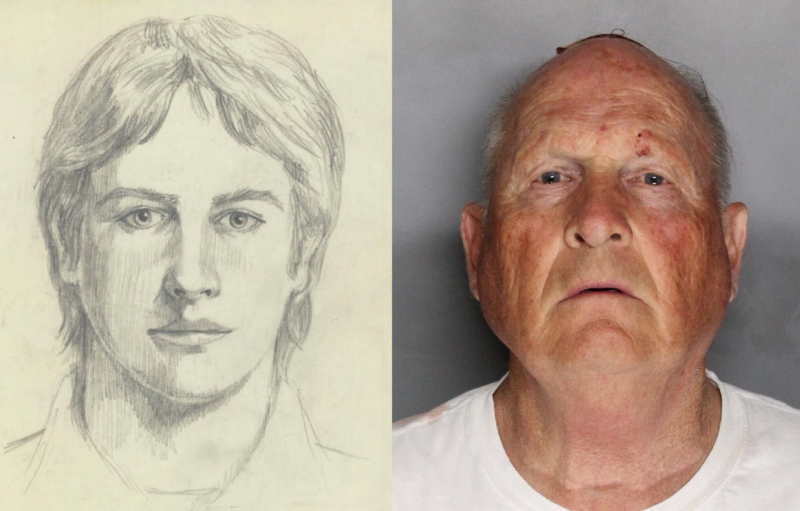
When the arrest was announced, the genetic genealogy world was stunned. On Facebook, in the Genetic Genealogy Tips and Techniques (3) Facebook group, a post dedicated to the arrest had over 1200 comments (4). By mid-July discussion of the topic would become so contentious that it was limited to a single thread (5). One prominent genealogist likened it to a “bull in a DNA china shop (6).” Another expressed concerns (7) about her “DNA potentially being used in a criminal investigation on the other side of the Atlantic.”
In the media, articles called this new technique “creepy,” (8) highlighting the privacy implications (9). Many conflated this new technique with the similar-yet-different technique of familial searching (10). This still happens, and the technique still goes by a few names (11).
In May of 2018, GEDmatch, one of the genealogy databases used to figure out the identity of DeAngelo, updated its policy (12) to permit use by law enforcement. While originally intended only for crimes such as homicide or sexual assault, it allowed its terms to be broken in May of 2019, much to the chagrin of the genealogical community (13), at which point it finally implemented an opt-in policy (14). In the fall of 2019, GEDmatch was served and complied with a warrant to access all of its DNA profiles, including those that had opted out (15). In December 2019, they were bought by Verogen (16). In July 2020, the site was breached (17). In January 2021, Gedmatch created GedmatchPro, a special portal for law enforcement use, and the terms of service were again changed (18). While users could still opt-out of law enforcement matching, their DNA would still be used to identify unidentified human remains. This was further updated (19) in April 2022 to exclude fetal remains and stillborn babies. In January 2023 Verogen was bought by Qiagen (20).
Family Tree DNA (FTDNA), the other site used to identify DeAngelo, changed their terms of service to reflect law enforcement use in December 2018. In March 2019, they implemented an opt-out policy (21). Many genealogists decried this policy as not meeting the standards for informed consent (22). In January 2021, the parent company of FTDNA, Gene by Gene, was acquired by MYDNA (23).
The other three major players in the DNA world, Ancestry (24), 23&me (25) and MyHeritage (26) have all made explicit that they do not allow law enforcement use of their DNA databases. However, it was revealed (27) in December 2020 that MyHeritage had initially been used as part of the Golden State Killer case. Unlike Ancestry and 23&me, a DNA profile can be uploaded to MyHeritage, rendering it vulnerable to violation of its terms of service. In March 2023, a non-profit DNA database called DNA Justice (28) was announced, and some genealogists are optimistic (29) it will address the issues (such as informed consent) facing the other databases. Currently all the databases are owned by for-profit companies.
Despite the resolution of over 500 cases (30) since 2018, there is no consensus about about how to address FIGG suspect identifications in cases that go to trial. While in California, the judge in People vs. Roy Waller (31) ruled the genetic genealogy work should not be included in the discovery process, the judge in The State of Washington vs. Patrick Nicholas (32) granted the defense’s motion for a Frye hearing, meaning that the genetic genealogist will participate in court proceedings. In Idaho, it’s been claimed (33) that a suspect in a quadruple murder was identified using FIGG, however, the application (34) for a search warrant notes that the DNA evidence is presented as supplementary information and is not necessary to establish probable cause. If FIGG was used, the intention seems to be to keep it out of the courtroom. It would mark the first time FIGG has been used on an active case.
Many policies and regulations have cropped up since 2018. In 2019, the US Department of Justice created an interim policy (35) to guide what they refer to as Forensic Genetic Genealogical DNA Analysis and Searching. Maryland (36) became the first state to enact a law in 2021, however, as of September 2022, there is no clear enforcement process (37). Many other states are following suit, including Montana (38), Florida (39) and Utah (40), creating a patchwork of legislation across the US.
The cross-jurisdictional nature of this work isn’t limited to the United States. As one genealogist (41) put it, “All of us have the right to decide how our DNA and our own data is being used. The police force in a foreign country should not have the right to make that decision for me.” While the databases are made up primarily of US citizens (42), other countries are represented, and some have made forays into FIGG. In Canada, a few cases are known to have been solved using the technique, including one (43) that was recently in court. A pilot study was also undertaken in Sweden (44). Australia (45) is also assessing the viability of using this technique. Any regulation or legislation of FIGG must consider the international (46) nature of the work. A crime may be perpetrated in one jurisdiction, the suspect may be from another, and DNA matches from many other jurisdictions.
It is clear we are no longer in what some genealogists refer to as the “golden age of forensic genetic genealogy (47).” While some are bemoaning the loss of freedom that the end of this “golden age” brings, others are working towards important goals such as the credentialing of genealogists (48). Still others have joined (49) with law enforcement and other forensic stakeholders to develop standards and work towards validation of FIGG practices.
Many presentations and references to FIGG liken it to the wild west. Personally, I prefer the imagery of “building the plane while we are flying it.” It’s better at conveying the risks of FIGG work with limited guidance, regulation or oversight.
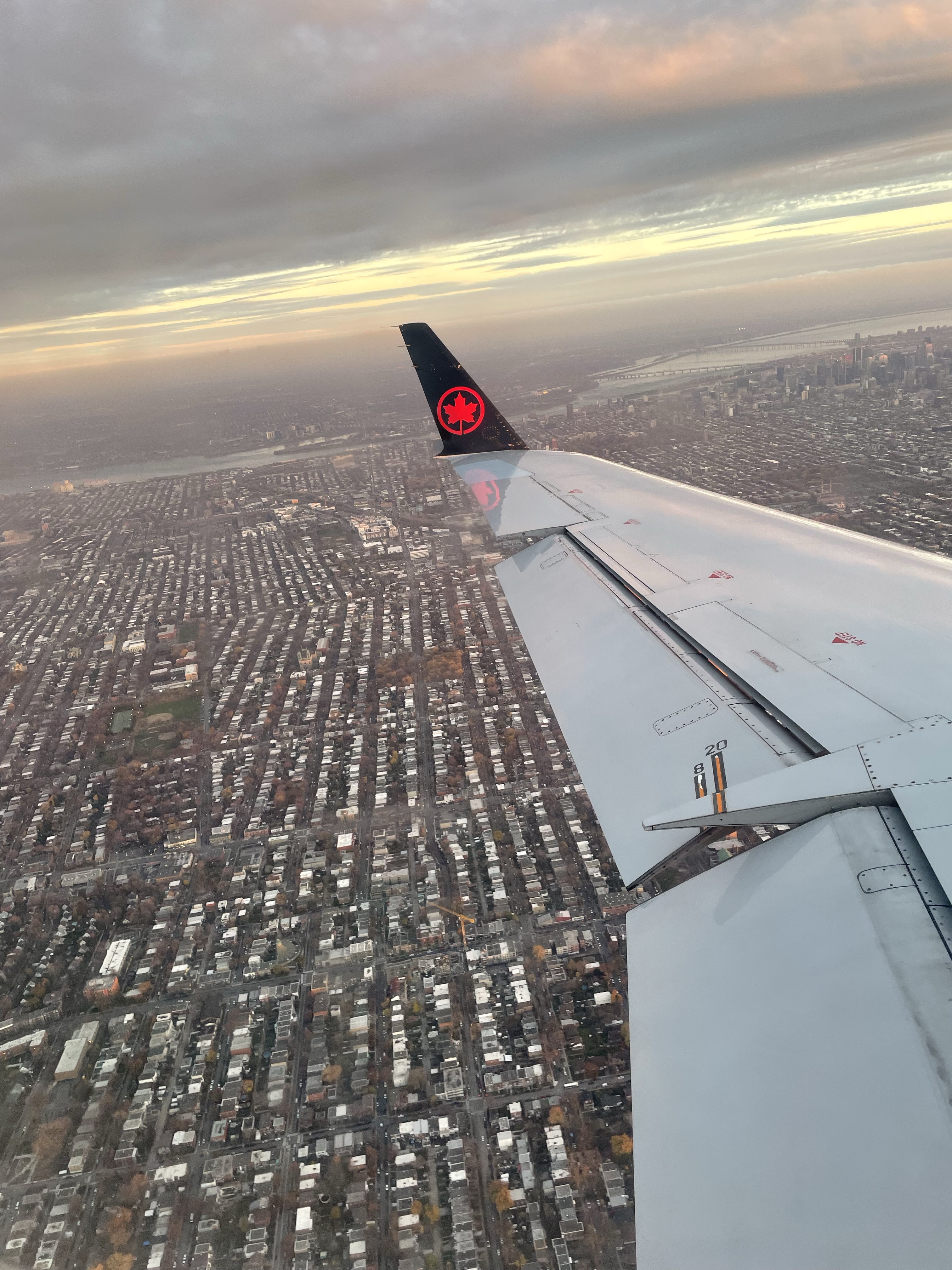
Where is this plane going? Hopefully to a place where we can continue to do good by resolving cases in an ethical way. We must consider the many issues involved in doing this work such as informed consent, privacy, data security, genealogist training and credentialing, and impact on minoritized groups, to name a few. My foremost concern is the loss of public confidence. Given FIGG’s reliance on DNA submitted to public genetic genealogy databases, loss of public confidence may result in the loss of this valuable method for solving violent crimes and identifying unidentified human remains.
Much thanks to Melissa Boes Rice for her comments on my draft of this post
- “Buckskin Girl,” DNA Doe Project (https://dnadoeproject.org/case/buckskin-girl/ : accessed 17 April 2023).
- “left: Sketch of the Original Night Stalker, right: mugshot of Joseph DeAngelo. Mashup of” Wikipedia (https://cy.wikipedia.org/wiki/Bath,_Efrog_Newydd#/media/Delwedd:Golden_State_Killer_police_sketch_vs_mugshot.png : accessed 17 April 2023).
- “Genetic Genealogy Tips and Techniques,” Facebook (https://www.facebook.com/groups/geneticgenealogytipsandtechniques/ : accessed 17 April 2023).
- Blaine Bettinger, “Genetic Genealogy Tips and Techniques,” Facebook https://www.facebook.com/groups/geneticgenealogytipsandtechniques/permalink/407594449704261/ : accessed 17 April 2023), post 26 April 2018.
- Blaine Bettinger, “Genetic Genealogy Tips and Techniques,” Facebook (https://www.facebook.com/groups/geneticgenealogytipsandtechniques/permalink/457133284750377/ : accessed 17 April 2023), post 16 July 2018.
- Judy G. Russell “The bull in the DNA china shop,” The Legal Genealogist (https://www.legalgenealogist.com/2018/04/29/the-bull-in-the-dna-china-shop/ : accessed 17 April 2023).
- Debbie Kennett, “The brave new world of genetic genealogy,” MIT Technology Review (https://www.technologyreview.com/2018/04/28/2903/the-brave-new-world-of-genetic-genealogy/ : accessed 17 April 2023).
- Megan Molteni, “The Creepy Genetics Behind the Golden State Killer Case,” WIRED (https://www.wired.com/story/detectives-cracked-the-golden-state-killer-case-using-genetics/ : accessed 17 April 2023).
- Rebecca Robbins, “The Golden State Killer Case Was Cracked with a Genealogy Web Site,” Scientific American (https://www.scientificamerican.com/article/the-golden-state-killer-case-was-cracked-with-a-genealogy-web-site1/ : accessed 17 April 2023).
- Jennifer Wiebe, “Familial DNA Searching vs. Forensic Investigative Genetic Genealogy,” Jennealogie (https://maltsoda.wordpress.com/2022/11/15/familial-dna-searching-vs-forensic-investigative-genetic-genealogy/ : accessed 17 April 2023).
- Jennifer Wiebe, “What’s in a Name,” The ISHI Report (https://promega.foleon.com/theishireport/the-ishi-report-february-2023/forensic-investigative-genetic-genealogy-whats-in-a-name : accessed 17 April 2023).
- “GEDmatch,” Wikipedia (https://en.wikipedia.org/wiki/GEDmatch : accessed 17 April 2023).
- Leah Larkin “The Slippery Slope,” The DNA Geek (https://thednageek.com/the-slippery-slope/ : accessed 17 April 2023).
- Roberta Estes, “GedMatch Implements Required Opt-In for Law Enforcement Matching,” DNAeXplained (https://dna-explained.com/2019/05/19/gedmatch-implements-required-opt-in-for-law-enforcement-matching/ : accessed 17 April 2023).
- “GEDmatch,” Wikipedia
- Nila Bala, “We’re Entering a New Phase in Law Enforcement’s Use of Consumer Genetic Data,” Slate (https://slate.com/technology/2019/12/gedmatch-verogen-genetic-genealogy-law-enforcement.html : accessed 17 April 2023).
- Leah Larkin “GEDmatch Goes Haywire,” The DNA Geek (https://thednageek.com/gedmatch-goes-haywire/ : accessed 17 April 2023).
- Leah Larkin “Trust,” The DNA Geek (https://thednageek.com/trust/ : accessed 17 April 2023).
- Glynn CL. Bridging Disciplines to Form a New One: The Emergence of Forensic Genetic Genealogy, Genes (Basel), 2022 Aug 1;13(8):1381, doi: 10.3390/genes13081381. PMID: 36011291; PMCID: PMC9407302; (https://www.ncbi.nlm.nih.gov/pmc/articles/PMC9407302/ : accessed 17 April 2023).
- “Qiagen acquires DNA-biometrics firm Verogen in $150 mln deal,” Reuters (https://www.reuters.com/markets/deals/qiagen-acquires-dna-biometrics-firm-verogen-150-mln-deal-2023-01-09/ : accessed 17 April 2023).
- “Family Tree DNA,” Wikipedia (https://en.wikipedia.org/wiki/Family_Tree_DNA : accessed 17 April 2023).
- Judy G. Russell “Opt-out is not informed consent,” The Legal Genealogist (https://www.legalgenealogist.com/2019/03/31/opt-out-is-not-informed-consent/ accessed 17 April 2023).
- “Family Tree DNA,” Wikipedia
- “Guide for Law Enforcement,” Ancestry (https://www.ancestry.ca/c/legal/lawenforcement : accessed 17 April 2023).
- “Guide for Law Enforcement,” 23andMe (https://www.23andme.com/en-ca/law-enforcement-guide/ : accessed 17 April 2023).
- “Privacy Policy,” MyHeritage (https://www.myheritage.com/privacy-policy : accessed 17 April 2023).
- Paige St. John, “The untold story of how the Golden State Killer was found: A covert operation and private DNA,” LA Times (https://www.latimes.com/california/story/2020-12-08/man-in-the-window : accessed 17 April 2023).
- DNA Justice (https://www.dnajustice.org/ : accessed 17 April 2023).
- Leah Larkin “The DNA Justice Foundation,” The DNA Geek (https://thednageek.com/the-dna-justice-foundation/ : accessed 17 April 2023).
- Michelle Taylor, “How Many Cases Have Been Solved with Forensic Genetic Genealogy?,” Forensic (https://www.forensicmag.com/594940-How-Many-Cases-Have-Been-Solved-with-Forensic-Genetic-Genealogy/#:~:text=According%20to%20Tracey%20Leigh%20Dowdeswell,on%20cases%20solved%20using%20FGG : accessed 17 April 2023).
- “Motion for Discovery, People of the State of California vs. Roy Charles Waller, Oct 7 2019, case no: 18FE018342,” Superior Court of California, County of Sacramento (https://meshbasestorage.blob.core.windows.net/dnacontainer/Waller-Court-Ruling.pdf : accessed 17 April 2023).
- Rockne Harmon, LinkedIn (https://www.linkedin.com/posts/rockne-harmon-0275b46_decision-activity-7049391866269601792-Fdk_/ : accessed 17 April 2023), “Judge decision yarborough”.
- Heather Tal Murphy, “How Police Actually Cracked the Idaho Killings Case,” Slate (https://slate.com/technology/2023/01/bryan-kohberger-university-idaho-murders-forensic-genealogy.html : accessed 17 April 2023).
- Law&Crime, contributor, “Kohberger warrant,” Document Cloud (https://www.documentcloud.org/documents/23577650-kohberger-warrant : accessed 17 April 2023); Superior Court of the State of Washington in and for the county of Whitman, “Application For Search Warrant.”
- “2019 Interim Policy: Forensic Genetic Genealogical DNA Analysis and Searching,” United States Department of Justice (https://www.justice.gov/d9/pages/attachments/2019/09/24/finaldojinterimpolicyonfgg.pdf : accessed 17 April 2023).
- “Forensic Genetic Genealogical DNA Analysis and Search (FGGS) Data Definitions and Reporting Guide,” Maryland’s Office of Crime Prevention, Youth, and Victim Services (http://goccp.maryland.gov/wp-content/uploads/Forensic-Genetic-Genealogical-DNA-Analysis-and-Search-FGGS-Data-Definitions-and-Reporting-Guide-.pdf : accessed 17 April 2023).
- Patrick Terpstra, “Maryland Quietly Shelves Parts Of Genealogy Privacy Law,” WMAR2 News (https://www.wmar2news.com/infocus/maryland-quietly-shelves-parts-of-genealogy-privacy-law : accessed 17 April 2023).
- State of Montana, “AN ACT GENERALLY REVISING WARRANT REQUIREMENTS FOR DNA SEARCH RESULTS,” Montana Legislature (https://leg.mt.gov/bills/2021/billhtml/HB0602.htm : accessed 17 April 2023).
- Gabrielle Russon, “Senate committee OKs bill to protect privacy in DNA genealogy law enforcement investigations,” Florida Polictics (https://floridapolitics.com/archives/601216-senate-committee-oks-bill-to-protect-privacy-in-dna-genealogy-law-enforcement-investigations/ : accessed 17 April 2023).
- Bridger Beal-Cvetko, “Legislature passes ‘Sherry Black bill’ to regulate genealogy search by law enforcement,” KSL TV5 (https://ksltv.com/529189/legislature-passes-sherry-black-bill-to-regulate-genealogy-search-by-law-enforcement/ : accessed 17 April 2023).
- Debbie Kennett, “The brave new world of genetic genealogy”
- Daniel Kling et al., “Investigative genetic genealogy: Current methods, knowledge and practice,” Science Direct (https://www.sciencedirect.com/science/article/pii/S1872497321000132#tbl0005 : accessed 17 April 2023); Daniel Kling et al., “Investigative genetic genealogy: Current methods, knowledge and practice,” Forensic Science International: Genetics, Volume 52, 2021, 102474, https://doi.org/10.1016/j.fsigen.2021.102474.
- Harold Carmichael, “Sudbury investigator details how police identified Sweeney murder suspect,” The Sudbury Star (https://www.thesudburystar.com/news/local-news/sudbury-investigator-details-how-police-identified-sweeney-murder-suspect : accessed 17 April 2023).
- Andreas Tillmar et al., “Getting the conclusive lead with investigative genetic genealogy — A successful case study of a 16 year old double murder in Sweden,” Forensic Science International: Genetics (2021).
- Nathan Scudder et al., “Operationalising forensic genetic genealogy in an Australian context.” Forensic Science International, 2020 Nov, 316:110543, doi: 10.1016/j.forsciint.2020.110543.
- Nathan Scudder et al., “An international consideration of standards-based approach to forensic genetic genealogy,” Forensic Science International: Genetics Supplement Series (2019).
- Laura Miller, “The Retiree Who Helped Catch the Golden State Killer,” Slate (https://slate.com/culture/2023/02/dna-testing-gsk-barbara-rae-venter-book-review.html : accessed 17 April 2023).
- David Gurney et al., “The need for standards and certification for investigative genetic genealogy, and a notice of action,” PubMed (https://pubmed.ncbi.nlm.nih.gov/36257095/ : accessed 17 April 2023).). The full text of the paper can be found: David Gurney et al., “The need for standards and certification for investigative genetic genealogy, and a notice of action,” Forensic Science International 341 (December 2022), 111495.
- Matthew J. Gamette et al., “Establishment of the National Technology Validation and Implementation Collaborative (NTVIC) and Forensic Investigative Genetic Genealogy Technology Validation Group (FIGG-TVWG),” Forensic Science International: Synergy (January 2023)
- Jennifer Wiebe, airplane, digital image, 2022, privately held by Jennifer Wiebe, Montreal, Quebec.


 Jennealogie

Leave a reply to The Sydney Declaration for Genealogists: The Genealogist as Scientist | Jennealogie Cancel reply